
How to Protect Your Wood Floors From Fading
Jul 01, 2024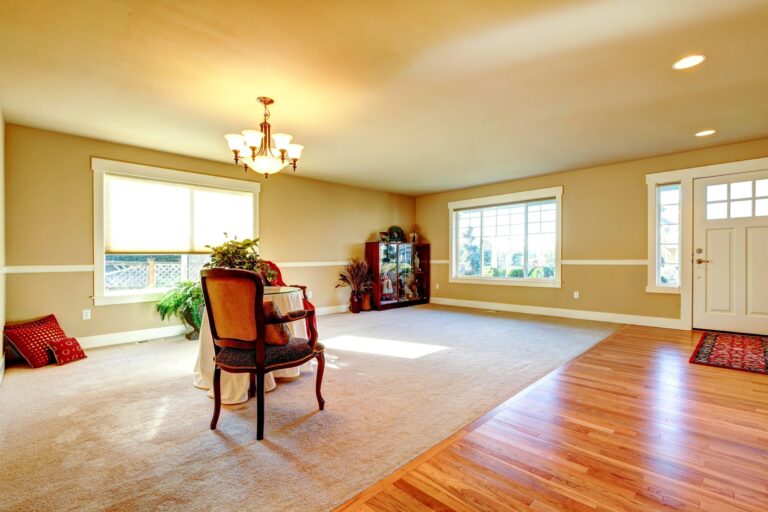
Wood floors that are exposed to direct sunlight for extended periods of time can fade over the years. The intense ultraviolet (UV) light bleaches the wood while the infrared (IR) rays heat it, which combine to accelerate fading. So how can you prevent this from happening to your wood floors? Learn how in this week’s blog on protecting your wood floors from fading.
Choosing a finish.
Certain finishes have UV-ray inhibitors in them that can deflect some, but not all, of the sun’s UV rays. Think of them like sunscreen for your wood floors. They can help slow the process of fading, but they won’t stop it in the long run. Still, some UV protection is better than none.
Window options.
If you can make a big investment in your windows, installing new windows with low-e glass will also help slow the process of fading. Low-e glass is a type of glass designed to prevent UV and IR rays from entering your home.
If you’re not looking to install new windows, you can also consider window films. Window films have some, but not all, of the UV and IR protection that low-e glass has. But, they’re much more affordable, and much easier to install.
In either case, combine low-e glass or window films with a UV inhibiting finish on your wood floor and you’ve got double the protection.
Interior options.
Another way to protect your wood floors from fading via the sun’s rays is by using simple and affordable solutions like blinds or drapes to block rays the old fashioned way. Area rugs can also be used to cover up areas where direct sunlight falls on a wood floor. And of course, you’ll want to keep moisture off of your wood floor, as this is another contributor to wood floor fading.
The Science Behind Hardwood Floor Fading
Sunlight: The Main Culprit
The primary reason hardwood floors fade over time is exposure to sunlight. Sunlight contains ultraviolet (UV) light, which breaks down the chemical bonds in the wood’s lignin. Lignin is a natural component of wood that gives it its color and strength. As the lignin breaks down, the wood’s color lightens.
- UV Light: The invisible UV rays are the most damaging to hardwood floors. They penetrate the wood’s surface and cause the most significant fading.
- Visible Light: While less damaging than UV light, visible light also contributes to fading over time. It accelerates the breakdown of lignin and other wood components.
The Role of Heat
Sunlight not only brings light but also heat. Heat can further accelerate the fading process by drying out the wood and making it more susceptible to damage from UV light.
Sunlight contains infrared radiation, which is responsible for the heat we feel. This radiation can penetrate the wood and cause it to dry out, making it more brittle and prone to fading.
Other Contributing Factors
While sunlight is the primary cause, other factors can contribute to fading:
- Type of Wood: Some wood species are more susceptible to fading than others. For example, cherry and maple are known to fade more quickly than oak.
- Finish: The type of finish applied to the wood can also affect fading. Some finishes offer better UV protection than others.
- Foot Traffic: High foot traffic areas can experience faster fading due to the constant wear and tear on the wood’s surface.
Overall, while wood floor fading can’t be prevented entirely, you can protect your wood floors and slow down the process significantly by employing the methods listed above.
Looking for more information on hardwood flooring? Contact the flooring experts at Signature Hardwood Floors, Inc. by calling 410.415.0755 or click here today! You can also follow us on Facebook, Twitter, and LinkedIn!
